In today’s globalized economy, procurement is a key component of a company’s success. It must be carefully managed, calculated, and implemented. Companies face ever-increasing challenges in optimizing their procurement processes to remain competitive, both in direct and indirect purchasing. However, the procurement of indirect materials ( C-materials ) often receives only secondary attention. This is a mistake, as indirect procurement also offers companies enormous potential.
In this blog post, we’ll take a closer look at indirect procurement and explain the differences between direct and indirect materials and requirements, the challenges involved, and how indirect procurement can be optimized. Practical examples, relevant industry figures, and recommendations will also be included to make the article more informative and engaging.

Purchasing plays a significant role in companies. It is important to distinguish between direct and indirect purchasing, as well as direct and indirect demand.
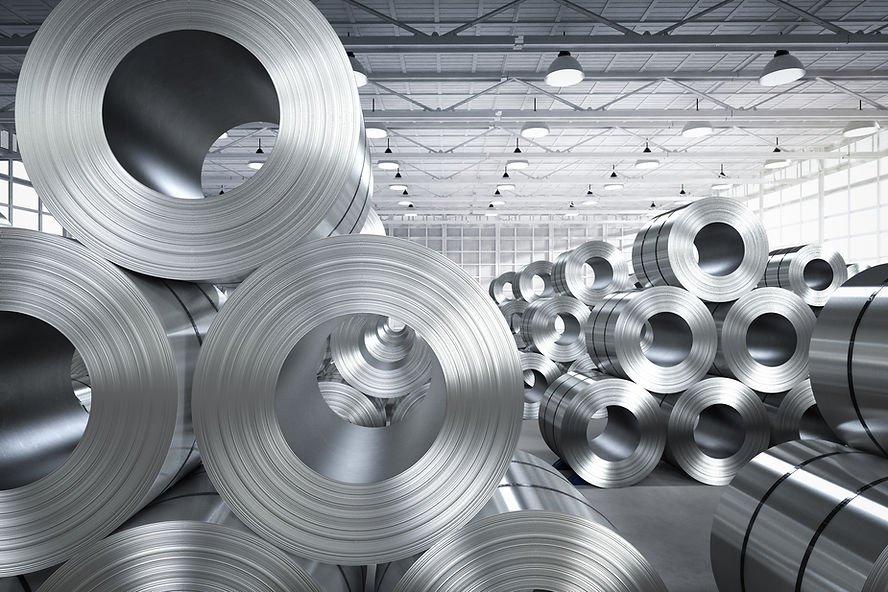
Before discussing the procurement of indirect materials, we should consider its counterpart. Direct materials refer to resources that go directly into the production of a finished product or are used directly in the provision of a service. These materials are an integral part of the final product or service.
Direct purchasing refers to the procurement of materials directly. It aims to optimize costs, ensure the quality of the delivered materials, and design an efficient supply chain to guarantee smooth production. Companies often rely on long-term relationships with suppliers through direct purchasing to secure a stable supply and favorable terms.
The direct purchasing process typically involves resources that are directly needed for the production or provision of a company’s own services. Specific examples of direct purchasing include:
Indirect materials – or indirect requirements – refer to resources and consumables that are needed for a company’s operations but are not directly involved in the production of end products. Unlike direct materials, indirect requirements cannot be directly attributed to a specific end product but support the company’s business activities.
Indirect procurement is an often overlooked yet crucial aspect of purchasing. It refers to the acquisition of indirect materials. These indirect resources are neither used nor resold, but remain within the company for internal processes. Therefore, indirect procurement resources represent a significant component of the business.
Considering the procurement of indirect materials allows companies to capture the full range of their procurement strategies and ensure that both direct and indirect needs are managed effectively.
Indirect demand also covers a wide range of needs. Examples of indirect procurement or indirect demand include:
Both direct and indirect procurement are crucial to a company’s success. In product-oriented companies, these two areas complement each other, creating a balance that is essential for smooth operations. Because indirect needs are not always immediately apparent in day-to-day business, they are often given less consideration.
Industry figures show, however, that indirect spending accounts for up to 50% of total procurement volume and is growing by around 7% annually. At the same time, the potential savings in indirect procurement, amounting to up to 25% of expenditures, often remain untapped. A structured approach to indirect procurement increases transparency, process control, and ultimately, competitiveness.

Both direct and indirect procurement are crucial to a company’s success. In product-oriented companies, these two areas complement each other, creating a balance that is essential for smooth operations. Because indirect needs are not always immediately apparent in day-to-day business, they are often given less consideration.
For service-oriented companies in particular, the procurement of indirect materials and C-parts management play a more significant role. Furthermore, indirect procurement often offers enormous potential for optimization, as it is usually decentralized, meaning it is carried out independently by each department, and is often opaque. Companies should therefore give equal attention to both direct and indirect procurement and never neglect C-parts.
Since indirect expenditures are a significant cost driver, their optimization potential cannot be underestimated. Balancing direct and indirect procurement creates a holistic purchasing approach that:
Leading companies already manage 85% to 95% of their indirect spending centrally via e-procurement systems, thereby achieving savings of 5% to 15%.
The procurement of indirect materials presents a number of challenges that companies must address to optimize procurement processes and C-parts management. Some of the biggest challenges in indirect procurement are:
Indirect procurement is often decentralized and fragmented, meaning that different departments or locations place their orders independently. This leads to inefficiencies, a lack of transparency, and difficulties in consolidating purchasing volumes.
Due to the large number of suppliers and departments, as well as differing procurement processes, there is often a lack of transparency and control over spending in indirect purchasing. This makes cost control and the identification of potential savings difficult and frequently results in maverick buying.
In indirect procurement, developing and maintaining a clear supplier strategy can be challenging. The large number of suppliers necessitates effective management and selection to ensure quality and service; otherwise, the procurement of indirect materials becomes significantly more difficult.
Indirect procurement often lacks standardization of products and processes. This leads to increased administrative effort, higher costs, and reduced efficiency.
The diversity of products and services acquired through indirect procurement also entails various risks, such as supplier dependency, quality issues, and compliance risks. Effective risk management is therefore crucial in indirect procurement.
Focus on C-parts: C-material accounts for only 5% to 15% of the total value, but 40% to 70% of the number of parts. Process costs for C-parts can represent up to 80% of the total costs for C-parts.
Addressing these challenges requires a holistic, strategic approach to indirect procurement, including the implementation of technologies to automate procurement processes and the introduction of clear guidelines for direct and indirect procurement.

Indirect procurement can be optimized through various measures to improve efficiency and cost control. Here are some approaches to optimizing indirect purchasing:
Centralizing indirect procurement allows companies to bundle and consolidate their purchasing activities, leading to economies of scale and cost savings. Standardizing products, services, and processes also reduces the complexity of procuring indirect materials.
The introduction of electronic procurement systems enables companies to automate and simplify the procurement process for both direct and indirect needs. By using e-procurement platforms, companies can standardize the ordering process, improve supplier communication, and increase spend control. This also leads to significant cost savings.
Reducing the number of suppliers can lead to better supplier relationships, greater negotiating power, and lower transaction costs. Effective supplier management includes selecting qualified suppliers, evaluating their performance, and cultivating long-term partnerships.
Regular analysis and monitoring of expenditures enables companies to identify potential savings and reduce costs. Using expenditure analysis tools makes it possible to recognize spending patterns, monitor budget deviations, and identify opportunities for cost savings in the procurement of indirect materials.
Effective compliance and risk management in indirect procurement includes adherence to legal regulations and internal guidelines. This also encompasses monitoring supplier risks and implementing risk mitigation measures when purchasing indirect materials.
Vendor-managed inventory relieves internal resources and ensures availability. Vendor-led inventory control optimizes minimum stock levels, avoids stock-outs, and reduces process costs.
Starting in 2000, Unilever consolidated its global procurement and saved USD 1.58 billion in four years through centralized control of indirect spending, which corresponds to an annual growth equivalent of 5–6%.
Due to increasing digitalization and the growing importance of ESG criteria, indirect procurement will continue to gain strategic relevance. Companies that invest early in digital tools, analytics, and sustainable supplier networks will secure long-term competitive advantages and business success.

FACURA offers companies a simple and efficient solution for optimizing indirect procurement. By using FACURA, your departments gain a transparent overview of the entire purchasing volume and can procure indirect supplies cost-effectively and always with valid invoices. With FACURA, you can easily purchase items from all online shops directly from your ERP system. There’s no subscription model, no fixed or integration costs, and absolutely no implementation or interfaces required. This significantly reduces your workload and process costs while simultaneously preventing maverick buying.
One supplier, one invoice for all your special requirements! Book a free consultation now and see for yourself the advantages of FACURAS for purchasing indirect materials.
Often, the procurement of indirect supplies is not given the same importance as direct procurement. However, optimizing indirect purchasing is crucial for companies to increase efficiency, transparency, and profitability. A strategic approach to indirect procurement allows companies to identify potential savings, reduce costs, and improve the quality of the resources and services they procure.
FACURA can help you overcome the challenges of indirect C-parts procurement. By optimizing their indirect material procurement with FACURA, companies can not only strengthen their competitiveness but also increase their operational efficiency and secure long-term business success. We look forward to hearing from you !